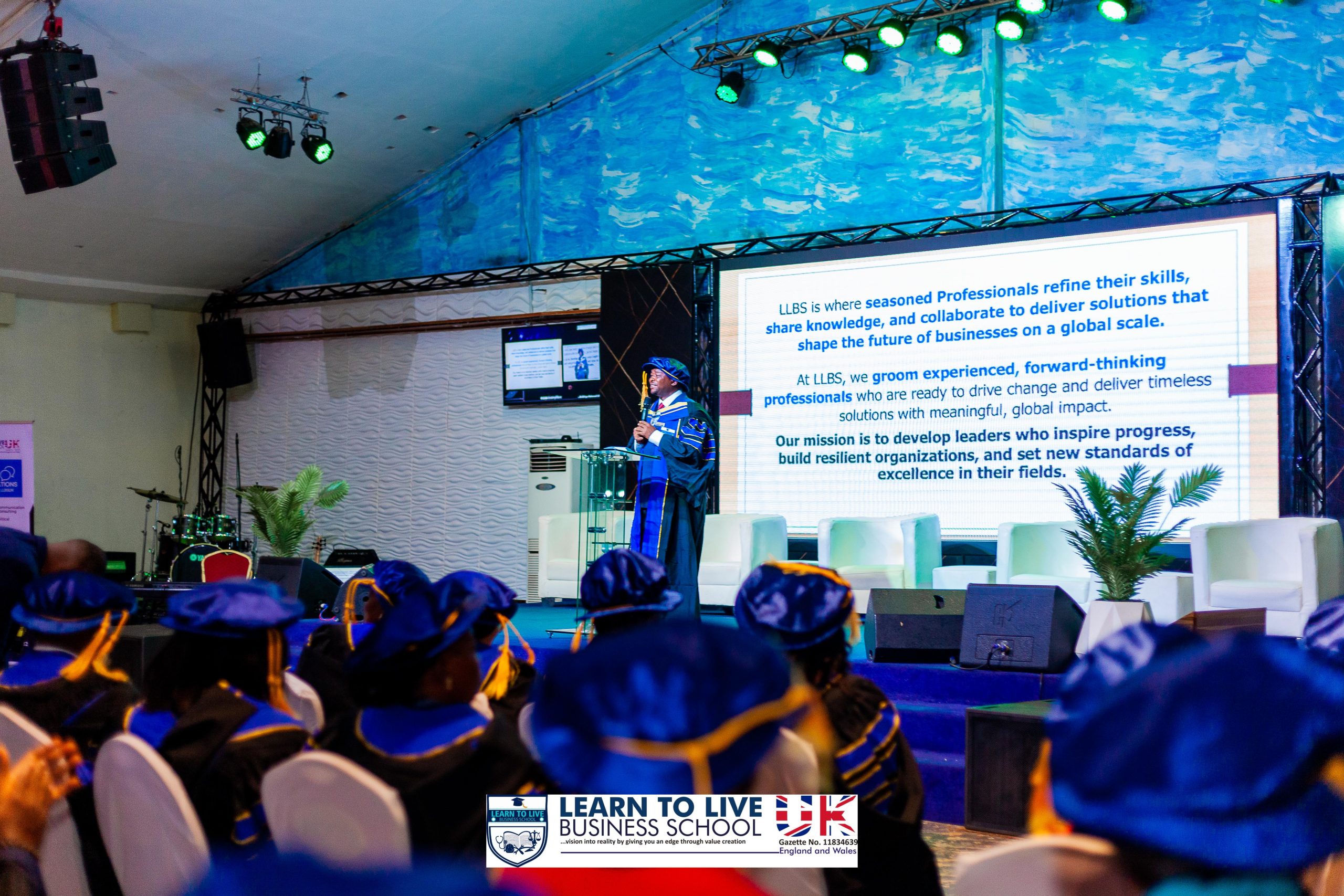
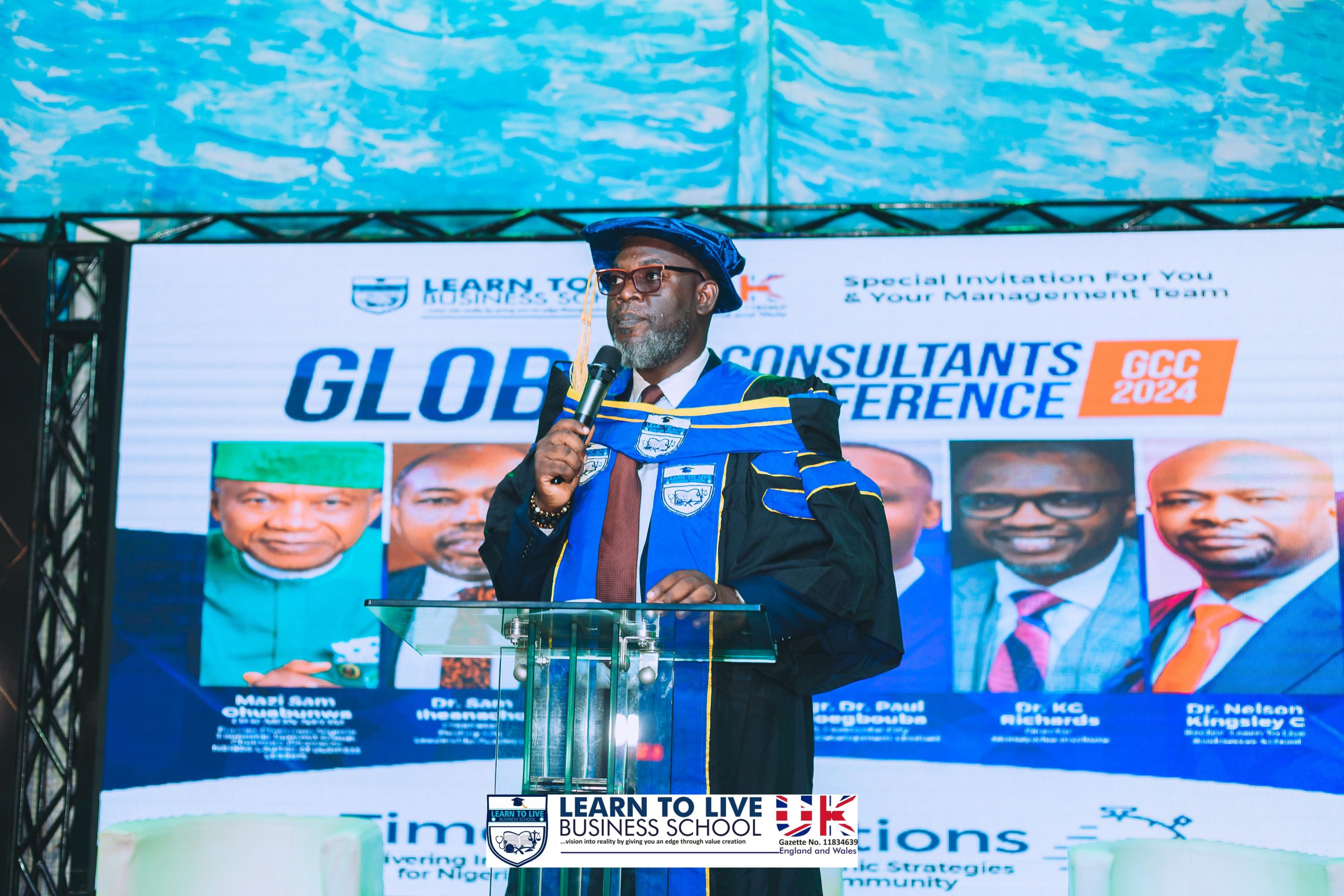
Our university offers a comprehensive range of academic programmes designed to inspire learning, innovation and real-world impact. Each programme is carefully crafted to blend theoretical knowledge with practical experience ensuring students gain the skills needed to excel in today’s competitive global environment, from foundational undergraduate courses to advanced postgraduate and professional degrees. Our curriculum emphasizes critical thinking, hands-on learning, and industry relevance. With guidance from experienced faculty, access to modern laboratories, and opportunities for research and internships, students are empowered.
Duration: 12 Months of Intensive Studies + Lifetime Professional Access
Session: 2026 - 2027
Typical Programme Structure
Curriculum Overview
Unlike pre-experience MBA programs, the EMBA classroom is an exchange of expertise among peers who are actively shaping their industries. Delivered in a flexible format (often weekends or modular residencies) to accommodate full-time work, the curriculum delves deep into advanced strategy, corporate governance, and leading organizational change. Participants emerge with the ability to navigate market disruption, drive profitability, and articulate a vision that inspires teams and stakeholders. An EMBA is more than a degree; it is a credential of readiness for the highest levels of management.
Curriculum Breakdown Summary
Synopsis:
- Accounting
- Finance
- Marketing
- Organizational Behaviour
- Business History
- Business Law
- Economics
- Entrepreneurship
- Ethics and Social Responsibility
- Operations Management
- Quantitative and Qualitative Research and Analysis
- Strategy
- International Global Business
- Business Planning
Programme Outline:
FUNDAMENTALS OF BUSINESS FORMATION AND DEVELOPMENT
Phase 1
- Fundamentals of Business Formation and Organization Development
- Basic Business Structure Development
- Basic Business System Development
- Basic Standard Operating Procedure – O.P. Formation and Development
- Basic Operational Manual Formation and Development
- Basic Employee Handbook
- Basic Income and Expenditure
- Basic Profit and Loss Account
- Basic Cashflow Management
- Basic Business Plan
- Basic Sales and Marketing Skills
- Basic Management Formation
- Basic Leadership Formation
- Basic Technical Skills
- Basic Professional Skills
- Igba-Boi: The Igbo Apprenticeship System
- AI Masterclass
- Business Administration and Management
- Comprehensive and Bankable Business Plan
- Practical MBA at Today’s Leading Companies and Institutions
- The Mechanism of Running a Sophisticated but Simple Business
- Investment Analysis and Portfolio Management
- Human Capital Development – HCM and Office Administration
- Project Management and Facility Management
- Articles and Paper Presentation for Journal Publication
Phase 2
- The Entrepreneurial life
- Integrity, Ethics, and Social Entrepreneurship
- Starting a Small Business
- Franchises and Buyouts
- The Family Business
- The Business Plan: Visualizing the Dream
- The Marketing Plan
- The Organizational Plan: Teams, Legal Structures, Alliances, and Directors
- The Location Plan
- Understanding a Firm’s Financial Statements
- Forecasting Financial Requirements
- A Firm’s Sources of Financing
- Planning for the Harvest
- Customer Relationship Management (CRM): Building Customer Relationships
- Product Development and Supply Chain Management
- Pricing and Credit Decisions
- Marketing, Selling Skills and Promotional Planning
- Global opportunities for Small Businesses
- Leadership and Professional Management
- Human Resources Management and Office Administration (HRM & Admin)
- Managing Business Operations
- Managing the Firm’s Assets
- Risk Management
- Project Management and HSE
Phase 3
Practical MBA at Today’s Leading Companies
- The MBA Experience
- Accounting Principles
- The Principles of Economics
- Business Ethics
- Marketing Management
- Financial Management
- Operations Management
- Managing People
- Supply Chain Management
- Strategy: Defining and Developing Competitive Advantage
- System Development, Structure and Behaviour
- System and Us
- Creating Change in Systems and in Our Philosophy
- Financial Analysis and Firm Valuation
- Consumer Behaviour
- New Product Creation
- Entrepreneurship
- Emerging Markets and Development
- Enterprise Risk Management
- Leading from the Middle
- Managing Teams
Programme Cost
Our program costs are designed to remain transparent competitive and accessible for students from diverse backgrounds. Each academic program includes tuition fees, registration charges and essential learning resources ensuring students receive high-quality education and comprehensive academic support Costs may vary based on program type, course load, and mode of study (on-campus, hybrid, or online) We aim to provide exceptional value through modern facilities, expert faculty, and industry aligned curriculum making your investment in education both meaningful and future-focused.
EMBA – Executive Master of Business Administration
Duration: 12 Months + Lifetime Professional Access
₦465,000.00
Apply Now
Admissions Requirements
Our program costs are designed to remain transparent competitive and accessible for students from diverse backgrounds. Each academic program includes tuition fees, registration charges and essential learning resources ensuring students receive high-quality education and comprehensive academic support Costs may vary based on program type, course load, and mode of study (on-campus, hybrid, or online) We aim to provide exceptional value through modern facilities, expert faculty, and industry aligned curriculum making your investment in education both meaningful and future-focused.